
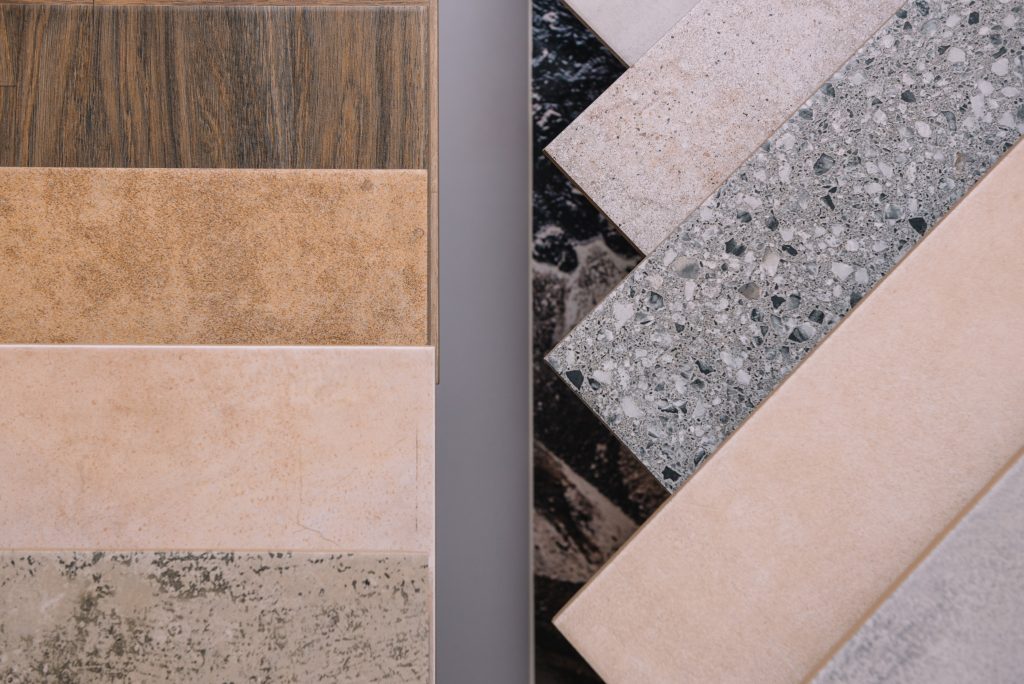
The finish of a tile is one of those decisions that seems minor until you are living with it every day. Matte and glossy tiles can be made from the same base material, fired in the same kiln, cut to the same dimensions, and installed in the same pattern, yet they produce fundamentally different spaces. One reads quiet and grounded. The other reads bright and expansive. One hides the evidence of daily life. The other amplifies light in a room that needs it.
For homeowners in Montreal, where kitchens and bathrooms are central to how older homes are being renovated and where space is often at a premium in both condos and detached houses, the matte-versus-glossy question comes up constantly. It comes up again when people are mixing finishes across a single room, choosing a backsplash to work against a matte floor, or deciding whether a small powder room should feel intimate or open.
This guide addresses all of it. It starts with how the two finishes are actually made, because understanding the technical distinction clarifies why they behave so differently in use. It moves through the practical differences that affect day-to-day life, the specific situations where each finish earns its place, room-by-room guidance for Montreal homes, the case for mixing the two, and an honest assessment of where tile trends in this city sit in 2026 and where they are heading.
How Matte and Glossy Finishes Are Made, And Why It Matters
Both matte and glossy tiles begin from the same place: a clay or porcelain body that is shaped, dried, and fired at high temperature. The difference in finish is introduced at the surface level, either through the application of a glaze or through the texture of the fired surface itself.
Glossy tiles achieve their shine through a glass-forming glaze applied before the final firing. The glaze melts during kiln firing and resolidifies into a smooth, hard, reflective surface. The more uniform and smooth that surface, the more light it reflects directly back to the viewer, which is what creates the characteristic gloss. The glass content of the glaze also gives glossy tiles their distinctive cool, slightly wet appearance, particularly in white or pale colors.
Matte tiles are produced through one of two methods. The first is the application of a matte glaze, which contains compounds that interrupt the smooth glass surface and scatter light in multiple directions rather than reflecting it directly. The second is an unglazed or lightly textured surface on porcelain or ceramic that achieves matte qualities through the material itself rather than a coating. Full-body porcelain tiles, which carry their color and texture throughout the tile thickness, often fall into this category.
Why does the production method matter to the homeowner? Because it affects more than appearance. A glazed glossy tile and a through-body matte porcelain are not equivalents with different surface textures. They differ in hardness, porosity, how they respond to cleaning products, how they behave under foot traffic, and how they age over years of use. A matte glaze applied over a softer ceramic body behaves differently from an unglazed porcelain with natural matte texture. Understanding these distinctions helps you evaluate product quality and durability, not just look.
The Practical Differences, Maintenance, Slip Resistance, and Light
Beyond aesthetics, the choice between matte and glossy has direct consequences for how a space functions and how much work it requires to maintain. These practical differences are often underweighted during the selection process and overweighted in the regret phase.
Maintenance and cleaning. Glossy tiles show everything: fingerprints, water spots, soap residue, grease splatter, and the thin mineral deposits that hard water leaves behind. In Montreal, where water hardness varies by neighborhood and season, hard water staining on glossy kitchen backsplash tiles is a routine complaint. The surfaces clean easily with the right products, but they require more frequent attention to stay looking clean. Matte tiles are more forgiving. Their textured surface diffuses light rather than reflecting it, which means minor marks and water spots are far less visible. The trade-off is that matte surfaces, particularly those with deeper texture, can trap grime in their micro-crevices and require more thorough cleaning when dirt does accumulate.
Slip resistance. Matte tile surfaces generally offer better slip resistance than glossy ones, particularly when wet. This is a meaningful consideration for bathroom floors, wet room surrounds, and any flooring application in a household with children or elderly residents. Glossy floor tiles, especially in large formats, can be genuinely hazardous when wet. Many porcelain glossy tiles are rated for wall use only and are not appropriate for floor applications regardless of their visual appeal. Always verify the Coefficient of Friction (COF) rating before specifying any tile for floor use. A minimum COF of 0.50 is the general benchmark for residential wet areas.
Light behavior. This is where glossy tiles earn their reputation in small or dark spaces. A glossy white subway tile on a bathroom wall does not simply reflect light from the window or the vanity fixture. It bounces light across the room, creating secondary light sources from every reflective surface. In a narrow Montreal bathroom with a single ceiling fixture and no natural light, a glossy white tile can make the room feel twice as large as it actually is. Matte tiles absorb more light than they reflect, which produces a calmer, more considered atmosphere but does not amplify light the same way. In a space that already has generous natural light, this is often preferable. In a space fighting for brightness, glossy has a functional advantage that goes beyond style.
Durability and scratch visibility. Glossy glazed tiles can show surface scratches more readily than matte tiles because scratches interrupt the smooth reflective surface and catch the eye. On floor tiles that receive heavy traffic, this can become visible over time. Matte tiles, particularly through-body porcelain, tend to age more gracefully under traffic because minor surface wear blends into the existing texture rather than standing out against a polished field.
When Matte Tile is the Right Choice
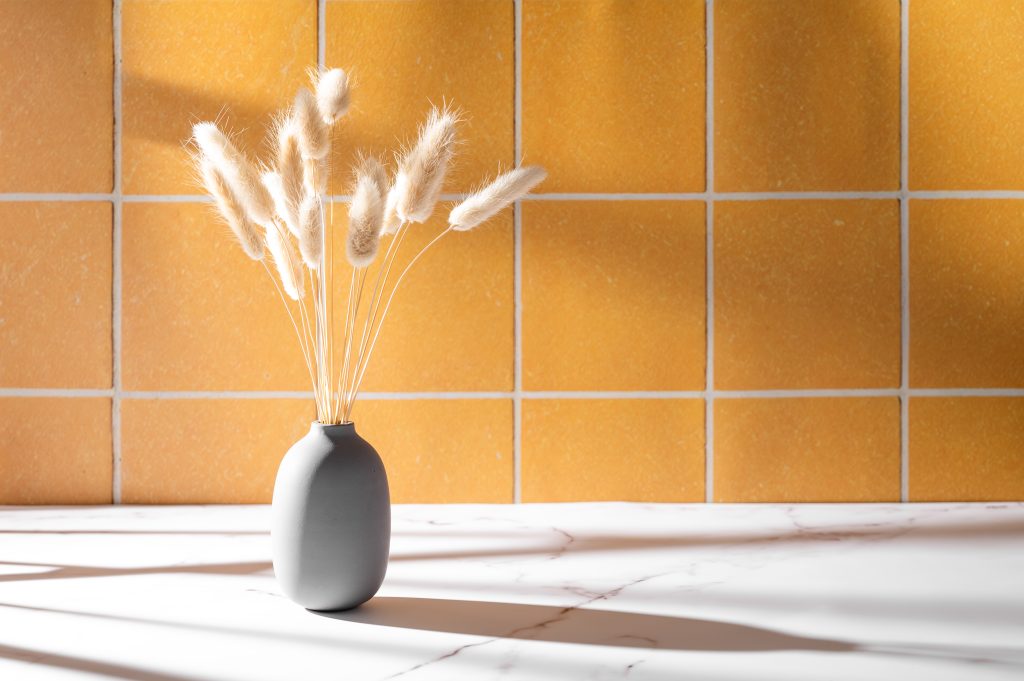
Matte tile has been the dominant aesthetic direction in Montreal renovation for the past several years, and for good reasons that go beyond trend. There are specific conditions where matte is the technically and visually superior choice, regardless of what is fashionable at a given moment.
High-traffic floor areas. Any floor that will see significant daily foot traffic, including kitchen floors, entryways, and main bathroom floors, benefits from the slip resistance and wear characteristics of matte or textured tile. The combination of safety and durability makes matte the practical default for residential floor applications, not just the stylish one.
Spaces with abundant natural light. When a kitchen or bathroom has generous south or west-facing windows, strong natural light can make glossy surfaces feel overwhelming, washing out colour and creating glare. Matte tile absorbs and softens incoming light, producing a space that feels warm and well-balanced across different times of day. Montreal’s long winter days with low-angle light make this particularly relevant for rooms with windows facing toward the sun.
Large-format tiles in open-plan kitchens. The larger the tile, the more surface area is available to reflect or absorb light. In open-plan kitchens where a single tile format runs across a substantial floor area, a high-gloss finish can read as overwhelming or institutional. Matte large-format porcelain in stone-look or concrete finishes has become a defining characteristic of contemporary Montreal kitchen renovations for this reason.
Contemporary and minimalist interiors. The aesthetic restraint of matte tile aligns naturally with the clean-line cabinetry, handle-free drawer fronts, and integrated appliances that characterize Montreal’s current renovation preference for understated, high-quality interiors. Matte tile complements this vocabulary without competing with it.
Spaces where grout lines are wide or intentionally visible. In a design where grout lines are part of the visual expression rather than something to minimize, matte tile and textured grout work together coherently. Glossy tile with wide grout lines can read as dated; matte tile embraces the articulation between tiles as a natural part of the composition
When Glossy Tile is the Right Choice
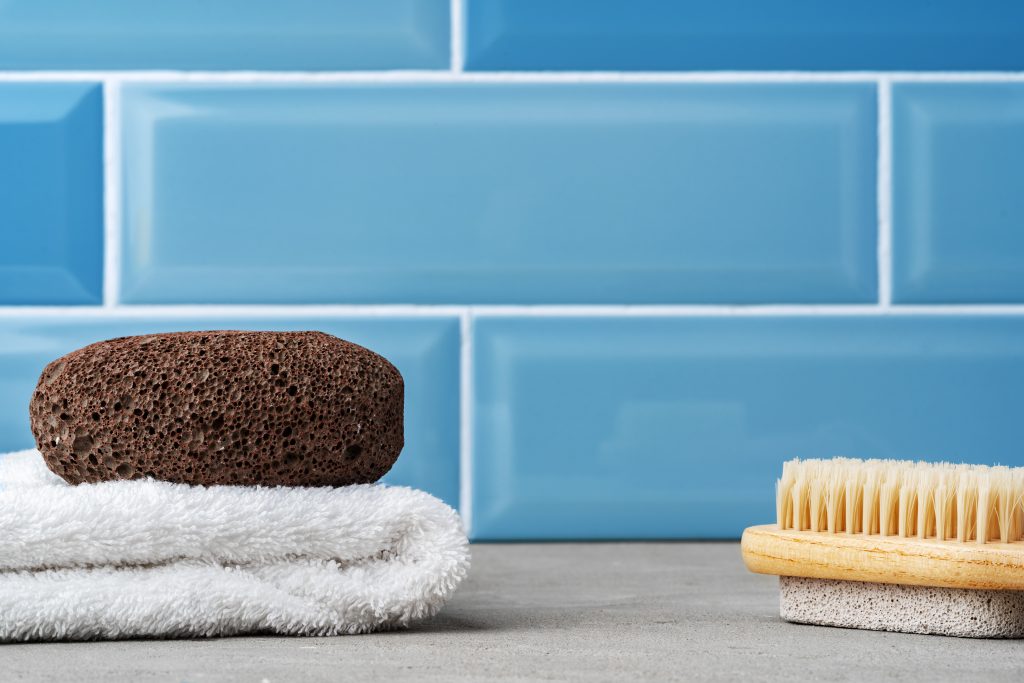
The case for glossy tile is strongest where its functional properties align with the specific demands of the space. Glossy has fallen somewhat out of favor as the aspirational finish for full-room applications, but it remains the right choice in specific contexts and an enduring option for particular aesthetics.
Small bathrooms and powder rooms with limited natural light. As noted in Section 2, the light-amplifying properties of glossy tile are a genuine functional benefit in compact, dark spaces. A 4×4 foot powder room with a single ceiling fixture and no window is a different problem from a large primary bathroom with skylights. Glossy white or pale tile in the smaller space is a design tool, not just a stylistic preference.
Shower walls and wet enclosures. Inside a shower enclosure, glossy tiles are easy to clean and resistant to soap scum buildup compared to heavily textured matte surfaces. Water runs off glossy tile cleanly, while textured matte surfaces can trap mineral deposits in their surface variation. For walls within a shower enclosure, the practical case for glossy is stronger than it is for the room’s exterior walls or floor.
Kitchen backsplashes as a feature element. The backsplash occupies a relatively small surface area in most kitchens and does not receive foot traffic, which eliminates the slip-resistance concern entirely. A glossy backsplash in a kitchen with matte floor tile is a classic combination: the floor reads grounded and practical, the backsplash reads bright and lively. A high-gloss white, cream, or colored subway tile backsplash behind a matte-finish range hood and matte cabinetry creates the kind of intentional contrast that gives a kitchen visual energy without being chaotic.
Traditional and transitional kitchens with painted cabinetry. The historical association between glossy ceramic tile and traditional kitchen design remains valid. White or cream glossy subway tile behind painted Shaker cabinetry in a traditional or transitional Montreal kitchen is a combination that has been working for over a century, and there is nothing about its current unfashionability in design media that makes it wrong. Homeowners who prefer this aesthetic should trust the combination rather than chasing the matte trend.
Decorative feature walls in contemporary bathrooms. A single accent wall in a primary bathroom, perhaps behind a freestanding tub or as the focal point behind a floating vanity, can carry a high-gloss large-format tile in a way that would be excessive if applied to the whole room. The contrast between a glossy feature wall and matte tile on the remaining surfaces is a compositional move that professional designers use deliberately.
Room-by-Room Recommendations for Montreal Homes
Montreal homes span an enormous range of typologies: pre-war duplexes and triplexes in Rosemont and Plateau, mid-century bungalows in the West Island, 1970s and 1980s suburban houses in Laval-adjacent boroughs, and contemporary condos in Griffintown and Old Montreal. Tile finish recommendations need to account for the practical realities of these spaces rather than applying a single editorial directive across all of them.
Kitchen floors. Matte or satin-finish porcelain in a large format (60×60 cm or larger) is the strongest all-around choice for Montreal kitchen floors. It reads contemporary, handles traffic well, and is significantly more forgiving than glossy tile in the daily reality of a working kitchen. Textured stone-look finishes in warm grey, beige, or off-white tones work across a wide range of cabinet colours and countertop materials.
Kitchen backsplash. This is where glossy earns its place without compromise. Whether the choice is classic white subway tile in a traditional kitchen, a colored glossy ceramic in a more expressive space, or a large-format glossy slab tile behind an integrated cooktop in a contemporary design, the backsplash is the one kitchen surface where gloss is functionally and aesthetically appropriate in nearly every context. The combination of matte floor tile and glossy backsplash is a reliable and well-tested pairing.
Bathroom floors. Matte tile is the default recommendation for bathroom floors on both safety and maintenance grounds. Slip resistance matters, particularly in a household with children or older residents. A matte porcelain in a medium format (30×30 cm or 45×45 cm) with a COF rating appropriate for wet areas is the baseline. Smaller format tiles with more grout lines, such as hexagon or penny tile, inherently provide better slip resistance and can be used in matte or even lightly textured glossy finishes.
Bathroom walls and shower surrounds. Bathroom wall tile is the most permissive category because it does not carry slip-resistance requirements and is not subject to heavy physical wear. Both matte and glossy work well here, and the choice is driven primarily by the atmosphere you want the space to create. For a spa-like, calm bathroom: matte throughout, with variation in texture. For a bright, airy bathroom in a space with limited windows: glossy walls paired with matte floor tile. For a shower enclosure specifically: glossy or smooth matte on walls for ease of cleaning, matte textured tile on the floor for safety.
Entryways and mudrooms. Montreal’s winter climate means entryways receive significant abuse: salt, grit, water, and mud from October through April. A matte porcelain with moderate texture is ideal, offering slip resistance when wet and durability against grit. Dark or mid-tone colors hide salt residue better than pale finishes. Glossy tile in a high-traffic entryway is a maintenance problem waiting to happen.
Laundry rooms and utility spaces. Matte ceramic or porcelain in a practical format. These spaces do not benefit from the light-amplifying properties of gloss, and the moisture and mechanical activity they experience makes matte the pragmatic choice without meaningful trade-off.
Mixing Matte and Glossy, When the Combination Is Better Than Either Alone
The most sophisticated tile applications in Montreal residential design are rarely pure matte or pure glossy. They are deliberate combinations where the two finishes play specific roles in the same space, each doing something the other cannot.
The floor-to-backsplash contrast. As discussed throughout this guide, matte floor tile paired with a glossy backsplash in the kitchen is one of the most versatile and well-tested combinations in residential tile design. The floor is grounded and practical; the backsplash is bright and expressive. The two finishes work because they occupy different planes and serve different functional purposes. The eye reads the contrast as intentional rather than conflicted.
Glossy feature tile within a matte field. A matte bathroom wall can incorporate a row or band of glossy mosaic tile as a border, a niche surround, or a shower threshold. The glossy element catches light and draws the eye, creating a compositional focal point without overwhelming the room’s overall texture. This approach works with both traditional and contemporary aesthetics and allows homeowners to introduce visual interest without committing to a fully glossy surface.
Matte large format with glossy trim and accessories. Grout color, edge trim profiles, and accessory tiles are all opportunities to introduce a contrasting finish at the detail level. A matte large-format wall tile finished with a glossy bullnose edge strip has a refinement that an all-matte installation sometimes lacks. The glossy trim reads as a design decision rather than a default, and it connects the wall plane to glossy fixtures like mirrors and chrome hardware.
Varying finishes within the same color. One of the more refined contemporary applications is selecting the same color in both matte and glossy finishes and using the contrast between them to define different zones or planes within a single space. A bathroom where the shower walls are glossy white and the exterior walls are matte white creates a spatial distinction between wet and dry zones that is both practical and visually clean. The color reads as continuous; only the surface quality changes.
The key principle when mixing finishes is intentionality. A combination that appears accidental reads as a mistake; a combination where each finish is clearly doing a specific job reads as design thinking. If you are uncertain whether a proposed combination will read as intentional, the safest test is to specify the finishes on a material board with the actual products rather than relying on digital renders or catalogue images. Finish behavior under different light conditions is difficult to predict without seeing the physical tiles together.
The 2026 Montreal Trend, And How Long It Will Last
In 2026, the Montreal tile market is in a matte-dominant cycle that has been building for approximately eight to ten years. The direction is clear: matte large-format porcelain in stone, concrete, and mineral-inspired finishes is the predominant choice for contemporary residential renovations across the city, from condo bathrooms in Griffintown to West Island kitchen floor overhauls.
Within that matte-dominant landscape, a few specific directions are particularly active right now. Warm neutral tones, including sandstone, greige, warm beige, and terracotta-adjacent shades, are outperforming cool greys, which dominated the previous cycle. Textured matte surfaces that reference natural stone variation, such as porcelain tiles with subtle veining or soft mineral patterning, are preferred over flat, uniform matte surfaces. Large formats continue to grow: 60×120 cm and 80×80 cm tiles have become standard in premium renovations, and 120×120 cm is no longer unusual in open-plan kitchen-living spaces.
Glossy tile is finding renewed interest in specific applications. Colored glossy ceramics, particularly in terracotta, olive, and deep blue-green, are appearing as backsplash and feature wall choices in kitchens and bathrooms that are reacting against the neutral minimalism of the preceding decade. This is not a return to all-glossy rooms; it is a targeted use of glossy color as a design accent within an otherwise restrained space.
How long will the current direction last? Tile trends move more slowly than furniture or paint color trends because the installation cost and disruption involved in replacing tile creates a natural brake on how quickly homeowners chase new directions. The matte large-format stone-look direction that currently dominates Montreal is not a fashion-cycle trend. It is a design direction with genuine aesthetic logic and functional advantages, and it is likely to remain relevant for another decade at minimum, even as specific color palettes and surface textures within it continue to evolve.
The more useful question for any individual homeowner is not what is trending in 2026 but what will feel right in their specific space ten years from now. A glossy white kitchen backsplash installed in 2026 will still be performing its function beautifully in 2036. A matte concrete-look floor tile chosen because it is currently fashionable may feel dated by then if it was selected for trend reasons rather than because it suited the space. The strongest tile choices are the ones that are correct for the room first and contemporary second.
The Right Finish Is the One That Fits Your Space, Not a Formula
Matte and glossy are not competitors where one is objectively superior. They are tools with different properties, and the skill is knowing which tool the space actually needs. A bathroom that gets too little light needs a different answer than one flooded with south-facing sun. A kitchen that sees heavy daily use needs a different floor than a powder room used twice a day by adults.
The guidance in this article provides a framework, but it cannot substitute for looking at the actual products under the actual light conditions of your actual room. Tile finish samples look different on a showroom display table under fluorescent light than they do on a bathroom floor under a warm pendant fixture at seven in the morning. Bring home samples. See them in the space. Let the space tell you what it needs rather than deciding entirely from a distance.
D’Amico Ceramique has been helping West Island and Montreal homeowners make these decisions for over 40 years. The showroom at 16023 Pierrefonds Blvd. carries an extensive selection of ceramic, porcelain, and natural stone tile in both matte and glossy finishes across a range of formats, colors, and price points, with the kind of hands-on, knowledgeable guidance that makes the difference between a tile choice you are proud of and one you second-guess for years.