
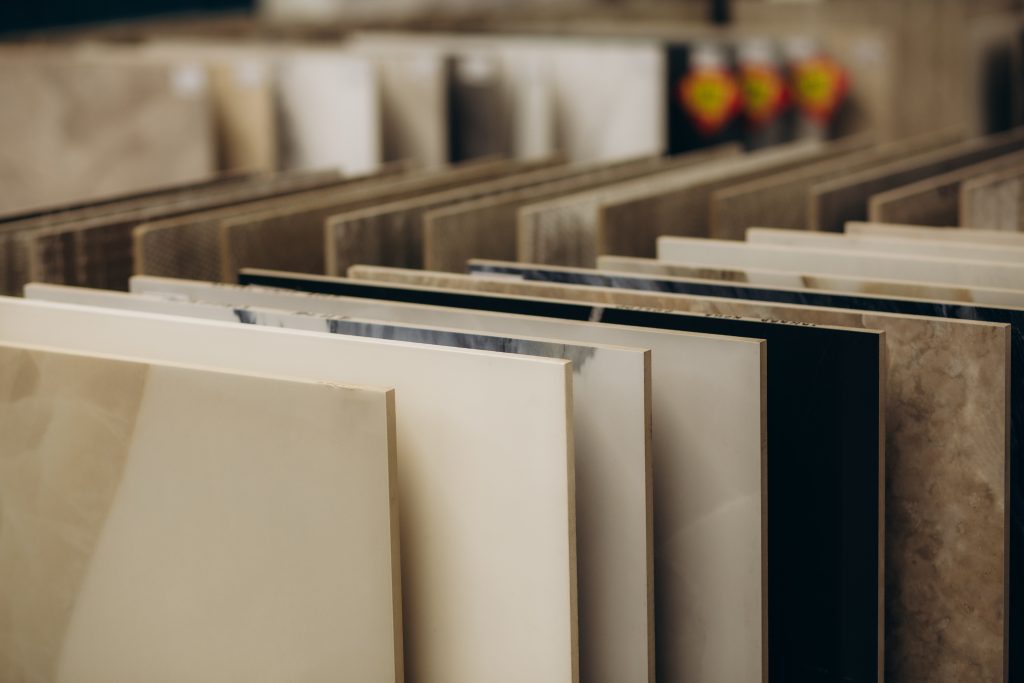
Standing in a tile showroom staring at two nearly identical slabs, one labeled ceramic and one labeled porcelain, most people assume the price difference must be marketing. It isn’t. The two materials behave differently under a Montreal winter, they hold up differently to a decade of foot traffic, and picking the wrong one for the wrong room is a mistake you live with for years. Here’s what actually separates them, and where each one belongs in a Montreal home.
What Actually Makes Porcelain Different From Ceramic
Both are clay-based tiles fired in a kiln, which is why people lump them together. The difference comes down to the clay itself and how hot it gets fired. Porcelain uses a denser, more refined clay, often including kaolin, fired at higher temperatures for longer. That process drives out more moisture and produces a tile with a water absorption rate under 0.5 percent, compared to standard ceramic, which typically sits between 3 and 7 percent. Porcelain is also usually through-bodied, meaning the color runs consistently through the entire tile, not just a glazed surface layer. Chip a porcelain tile and the material underneath roughly matches the surface. Chip standard ceramic and you often see a different colored body underneath the glaze.
The Practical Differences: What Actually Changes in Your Home
That lower absorption rate is the whole story, practically speaking. Porcelain resists moisture, so it handles spills, humidity, and freeze-thaw cycles better. It’s also harder and more scratch-resistant, which matters in high-traffic zones like entryways and kitchens. Ceramic is softer and easier to cut on-site, which can lower installation labor for complex layouts, and it takes glaze finishes and color variation exceptionally well, which is why decorative backsplash tile is so often ceramic rather than porcelain.
The Cost Comparison: What Each Option Actually Costs in Montreal
In the Montreal market, ceramic tile generally runs $2 to $5 per square foot for the material itself, with porcelain landing closer to $3 to $8 per square foot depending on finish and origin. Installation costs add roughly $4 to $10 per square foot on top of material, and porcelain installation tends to sit at the higher end of that range because the material is denser and harder to cut, which means more blade wear and more time per tile. For a mid-size bathroom floor, that gap between ceramic and porcelain might only be a few hundred dollars total. For a full main-floor renovation, it can add up to a few thousand, which is where the room-by-room decision actually starts to matter.
Room-by-Room Recommendations for Montreal Homes
Bathrooms. Porcelain, especially for floors. The moisture exposure and freeze-thaw risk near exterior walls make the lower absorption rate worth the price difference.
Kitchens. Porcelain for floors, either material for backsplashes. Floors take spills, dropped pans, and daily foot traffic; walls don’t take nearly the same abuse.
Bedrooms and living rooms. Ceramic is perfectly fine here. Lower moisture exposure and lighter foot traffic mean the durability gap matters less, and the cost savings are real.
Entryways and mudrooms. Porcelain, without much debate. This is the room that sees the most direct exposure to Montreal winter, salt, slush, and grit tracked in on boots.
The Outdoor Montreal Reality: Why This Is Non-Negotiable
Montreal winters put tile through repeated freeze-thaw cycles, and any moisture that gets absorbed into a tile can expand as it freezes and crack the material from the inside. For any exterior application, a covered porch, an outdoor kitchen surface, a balcony, porcelain rated for freeze-thaw exposure isn’t a preference. It’s the only material that reliably survives a full winter without cracking or flaking. Standard ceramic, with its higher absorption rate, is not built for that kind of exposure and shouldn’t be used outdoors in this climate regardless of price.
When to Choose Ceramic: The Honest Case for the More Affordable Option
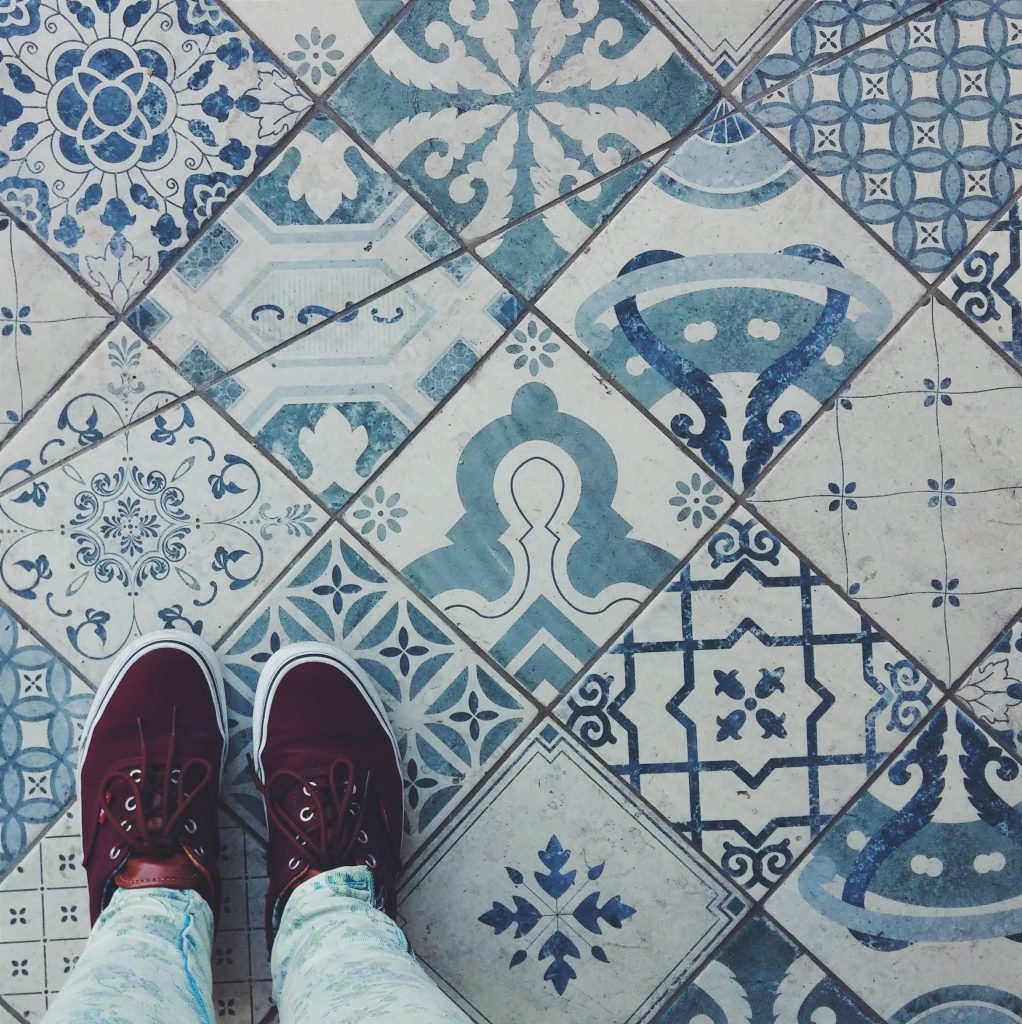
Porcelain isn’t automatically the better choice everywhere, and a good tile supplier will tell you that. For interior rooms with low moisture and moderate traffic, ceramic performs well for decades, costs less to buy and install, and offers a wider range of decorative glazes and patterns. If the budget is tight and the room is a bedroom, hallway, or accent wall, spending extra for porcelain’s moisture resistance buys you a benefit you’ll never actually use.
Quick Reference Decision Guide
High moisture or freeze-thaw exposure (bathrooms, entryways, exteriors): porcelain. Heavy foot traffic areas (kitchens, hallways): porcelain. Low moisture, lighter traffic (bedrooms, living rooms): ceramic works fine. Decorative backsplash or accent walls: ceramic, unless matching an adjacent porcelain floor. Tight budget with interior-only application: ceramic.
Conclusion
Neither material is objectively better. Porcelain earns its higher price in moisture-prone and high-traffic areas, and in any space exposed to a Montreal winter, it’s not optional. Ceramic holds up fine everywhere else and keeps a renovation budget under control. The right call comes down to matching the tile to the room it’s actually going in, not defaulting to whichever one sounds more premium on the showroom floor.